The Bible is a unified story told across sixty-six books, written by forty authors over nearly two millennia. It spans three continents and three ancient languages—Hebrew, Aramaic, and Greek. It’s vast, it’s diverse, and it’s intentionally woven together to reveal one thing:
God’s redemptive plan for the world through Jesus Christ.
The Old Testament begins with creation and follows God’s relationship with His people. Through its pages you see God forming, guiding, correcting, rescuing, and promising a Messiah. The New Testament picks up with the arrival of that Messiah—Jesus—then follows His life, death, resurrection, and the movement of His Church into the world.
The Old Testament: The Story Before the Arrival
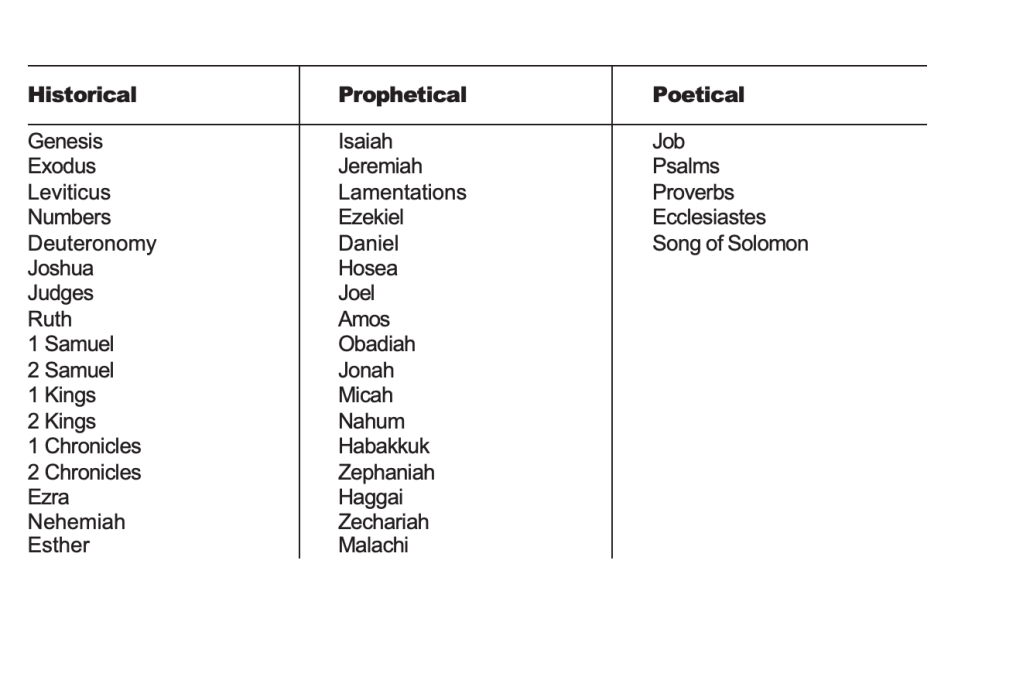
The Old Testament contains thirty-nine books and falls into three broad categories
Historical books show us who God is and how He shaped His people across generations—from creation to kingdoms, exile to restoration. The first five books (the Law) lay the foundation for Israel’s moral and spiritual life, while the later books trace the rise and fall of a nation learning to walk with God.
Prophetical books speak into real moments in Israel’s story. They contain warnings, corrections, promises, and hope. “Major” and “minor” don’t refer to importance but simply to length. These books point forward to the Messiah, His first coming and His return.
Poetical books capture the emotional and spiritual life of God’s people through worship, wisdom, lament, and honest reflection. In Hebrew, many of these writings even look like poetry on the page. They teach us how to pray, how to grieve, how to rejoice, and how to seek God in the real tension of life.
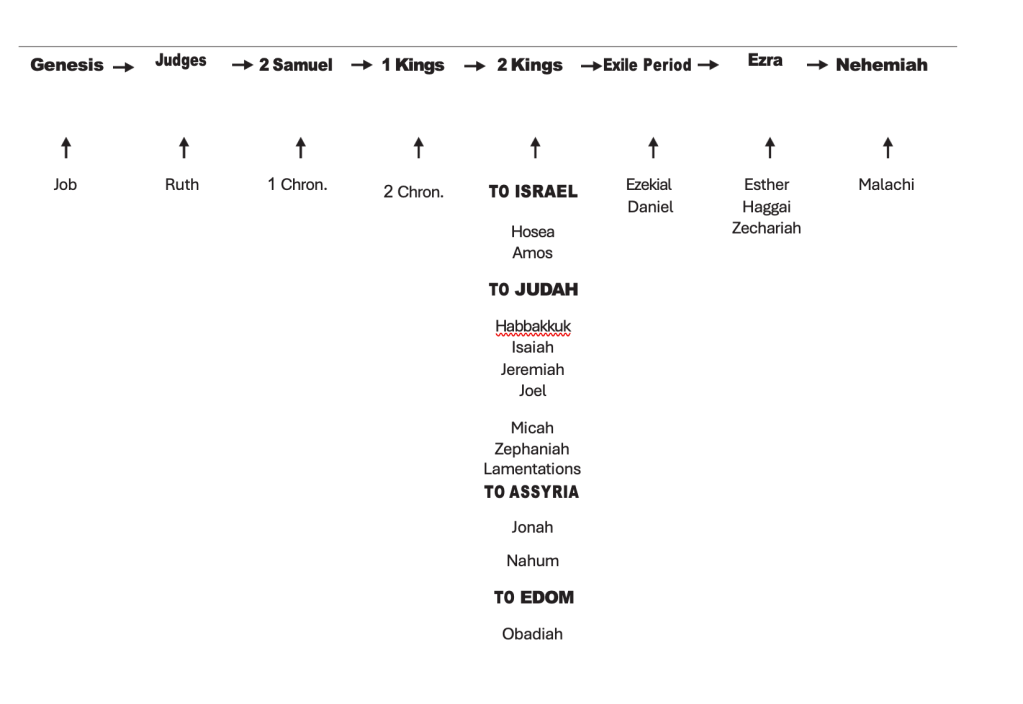
These books don’t stand alone. Prophets spoke during the same eras described in the historical books, and the poetic writings often give voice to the heart behind the events. Scripture is interconnected—one story told from many angles.
The 400 Years of Silence
Between the Old and New Testaments sits a 400-year stretch often called the Intertestamental Period. The final prophetic word of the Old Testament came through Malachi. In Malachi 4:5–6, God says:
“Behold, I will send you Elijah the prophet before the great and awesome day of the Lord comes. And he will turn the hearts of fathers to their children and the hearts of children to their fathers…”
With those words, the prophetic voice fell silent. No new messages. No fresh visions. Just a promise hanging in the air. And for more than four centuries during what we now call the “silent years”, nations rose and fell, empires shifted, cultures collided, and God’s people waited. They held onto the last thing He said, trusting that the next thing He would say would break the silence and change everything. To us it’s a single page turn; to Israel, it was four centuries without a prophetic word.
The New Testament: The Story Fulfilled
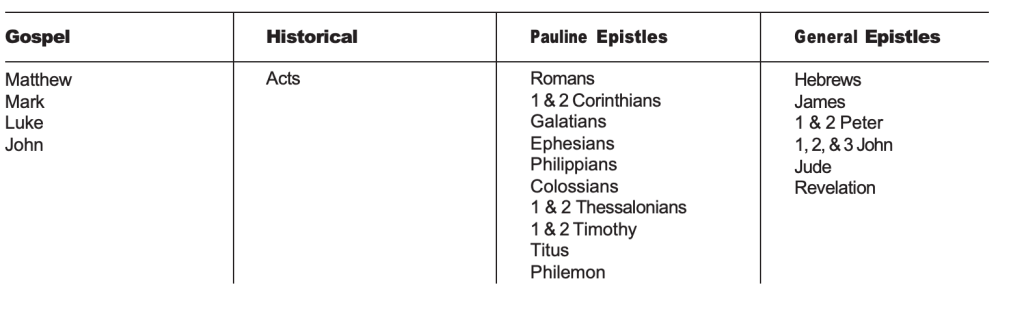
The New Testament contains twenty-seven books, grouped into four categories
The Gospels: Matthew, Mark, Luke, and John give four distinct perspectives on the life of Jesus. Each writer has a purpose, an audience, and a message, but together they form the clearest picture of who Jesus is and what His coming means for the world.
Acts: A historical book to continue the story of Jesus by showing how the Holy Spirit launched the Church and carried the gospel from Jerusalem into the nations. It’s the bridge between the Gospels and the letters.
The Epistles: Letters written mostly by Paul that teach the Church how to follow Jesus in real life. Some letters are written to churches, some to individuals, and some to believers everywhere. They ground us in doctrine, identity, and practical obedience.
Revelation: The last and final word in Scripture that aims to lift the curtain on the future showing the final victory of Christ and the restoration of all things.
Every book in the New Testament centers on Jesus the One who fulfills the story the Old Testament began. All (NT) were written between roughly AD 60 and 95, and every one of them helps us see what it means to be the Church today.
As you prepare for the coming year, I hope these previous pages have helped steady you, orienting your heart, sharpening your focus, and giving you a sense of direction for the journey ahead. If these pages have encouraged you, feel free to share them. Invite others to join you at the Depthline, where we learn to move slower, listen deeper, and walk with Jesus with intention.
 Ryan Daffron
Leave a comment